
1. Overview: Why AI Is Becoming Essential for Environmental Management in India

India is facing one of the most complex environmental scenarios globally:
- 14 of the world’s 20 most polluted cities are in India
- Over 600 million Indians live under high to extreme water stress
- India generates ~62 million tonnes of municipal solid waste annually, growing at 4–5% per year
- Environmental non-compliance costs industries crores annually in penalties, shutdowns, and reputational loss
Conventional environmental management systems—manual sampling, periodic inspections, and spreadsheet-based reporting—cannot handle this scale.
Artificial Intelligence (AI) enables India to shift from delayed reaction to real-time, predictive, and preventive environmental governance.
EcoNexa is building AI-first environmental intelligence systems aligned with India’s regulatory and sustainability needs.
2. What Is AI-Driven Environmental Management?
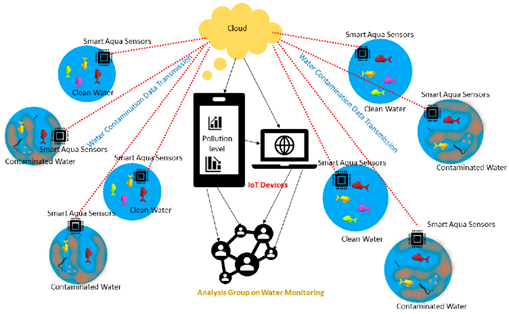
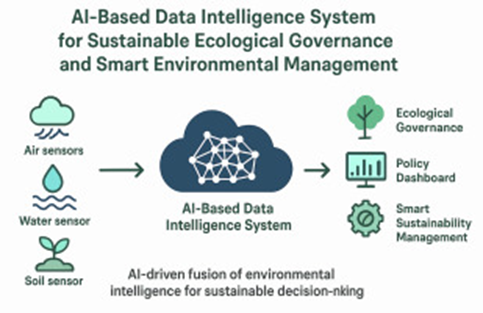
AI-driven environmental management applies advanced analytics to large volumes of environmental data from sensors, satellites, reports, and regulatory systems.
Technologies Powering AI Environmental Systems
- Machine Learning & Deep Learning
- Computer Vision
- Predictive & Prescriptive Analytics
- Natural Language Processing (NLP)
- AI + IoT (AIoT)
- Satellite & Remote Sensing Intelligence
What AI Enables
- 24×7 monitoring instead of periodic checks
- Early warning instead of post-damage reporting
- Predictive compliance instead of penalty-driven action
- Evidence-based decisions instead of assumptions
3. Why India Needs AI for Environmental Sustainability
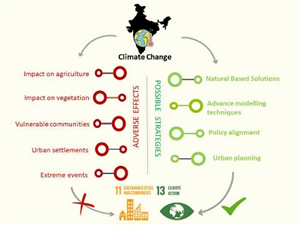
India’s environmental ecosystem involves:
- Multiple regulators (CPCB, SPCBs, ULBs)
- Thousands of industries
- Highly diverse ecosystems
- Rapid urban and infrastructure expansion
AI directly addresses these challenges by delivering:
- Scalability: One AI system can monitor thousands of locations simultaneously
- Accuracy: AI reduces human error in monitoring and reporting
- Speed: Pollution events detected in minutes, not months
- Transparency: Data-driven ESG and compliance records
- Cost reduction: Up to 30–40% lower monitoring and compliance costs over time
4. Applications of AI for Environmental Management in India
4.1 AI for Air Quality Monitoring & Pollution Control
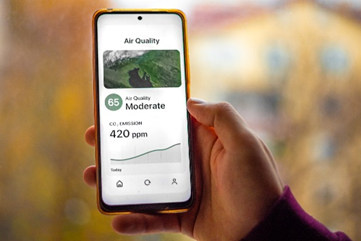
Air pollution contributes to over 1.6 million premature deaths annually in India.
AI Applications
- Hyper-local AQI prediction using real-time sensors
- Identification of pollution hotspots at ward or industrial-cluster level
- Source apportionment using pattern recognition
- Early warning systems for smog and industrial spikes
- Automated emission compliance alerts
Measured Impact
- 20–25% faster regulatory response
- Improved pollution forecasting accuracy by up to 40%
- Reduced emergency shutdowns through predictive alerts
4.2 AI for Water Resource Management & Water Quality Monitoring
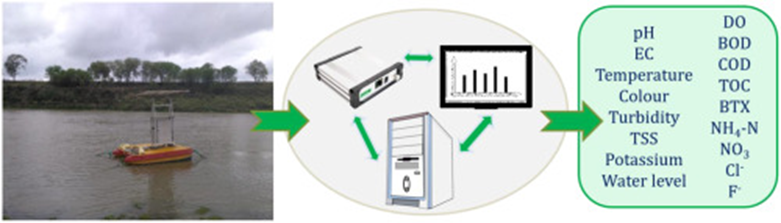
India extracts 25% of the world’s groundwater, yet many aquifers are in decline.
AI Applications
- Groundwater level prediction models
- AI-based detection of water contamination events
- Continuous monitoring of industrial effluents
- Flood and drought forecasting using climate data
- Intelligent water distribution optimization
Measured Impact
- 15–30% reduction in non-revenue water
- Early contamination detection reduces remediation cost by up to 50%
- Improved climate resilience planning
4.3 AI in Waste Management & Circular Economy

India’s waste generation is projected to cross 165 million tonnes annually by 2030.
AI Applications
- Waste generation forecasting
- Route optimization saving 10–20% fuel costs
- Computer vision-based waste segregation
- Digital EPR tracking (plastic, e-waste, batteries, used oil)
- End-to-end waste lifecycle intelligence
Measured Impact
- 25–40% improvement in recycling efficiency
- Reduced landfill dependence
- Stronger EPR and regulatory compliance
4.4 AI for Environmental Compliance & ESG Reporting
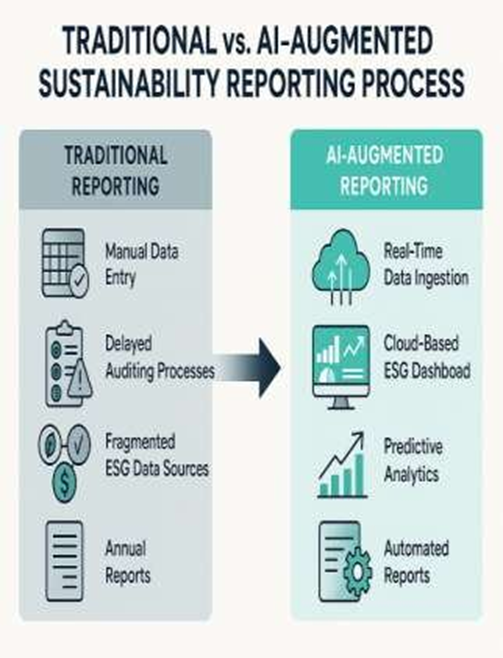
ESG reporting and compliance failures increasingly affect investor confidence and project approvals.
AI Applications
- Automated compliance calendars and alerts
- AI-generated environmental and ESG reports
- Integrated ESG scoring dashboards
- Risk profiling for inspections and audits
- Intelligent document analysis
Measured Impact
- 60–70% reduction in manual reporting effort
- Lower compliance violations
- Faster audits and decision-making
4.5 AI for Biodiversity, Ecosystem & Climate Monitoring

India hosts 8% of global biodiversity, yet faces accelerating habitat loss.
AI Applications
- Land-use and land-cover change detection
- Wildlife movement tracking
- Wetland and coastal ecosystem monitoring
- Carbon stock estimation and MRV systems
- Climate vulnerability assessment
Measured Impact
- Faster detection of encroachments
- Improved conservation planning
- Support for carbon markets and climate finance
5. Role of AI in India’s Climate & Sustainability Commitments
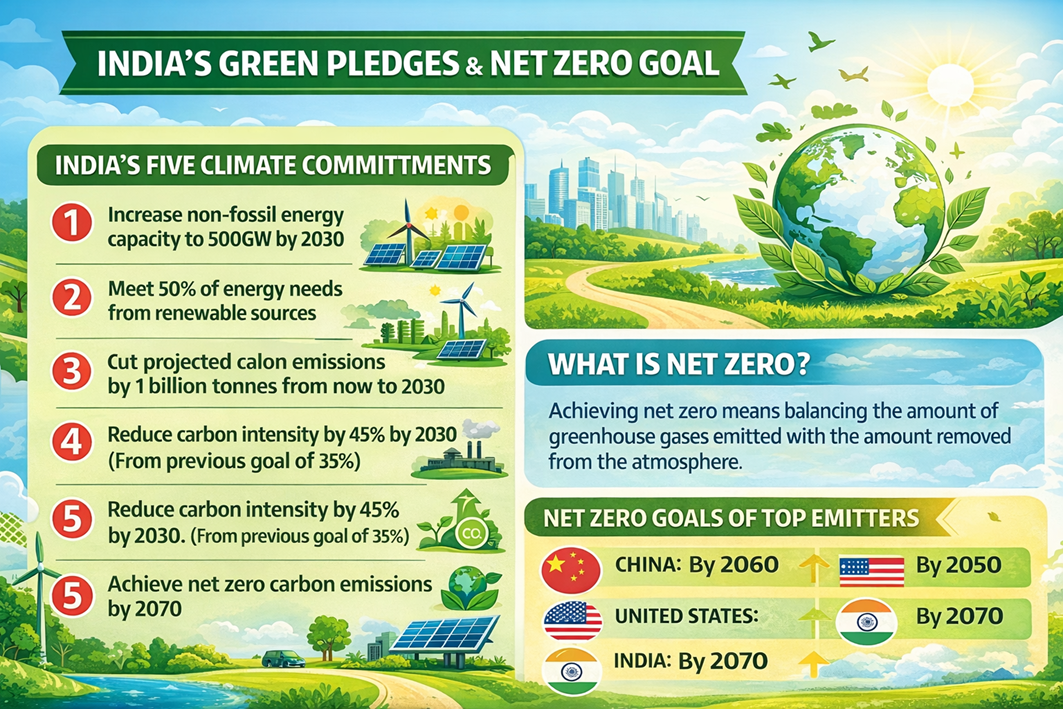
AI directly supports:
- India’s Net-Zero 2070 commitment
- Nationally Determined Contributions (NDCs)
- Circular economy and resource efficiency goals
- Green finance and ESG disclosure requirements
AI ensures sustainability outcomes are measurable, verifiable, and auditable.
6. Future of AI for Environmental Management in India
The future will move beyond monitoring toward environmental governance intelligence.
Emerging Trends
- Environmental digital twins for cities, ports, and ecosystems
- Predictive compliance and enforcement systems
- AI-driven climate risk intelligence
- Automated decision-support platforms
- Carbon intelligence and credit verification ecosystems
7. How EcoNexa Enables AI-Driven Environmental Management
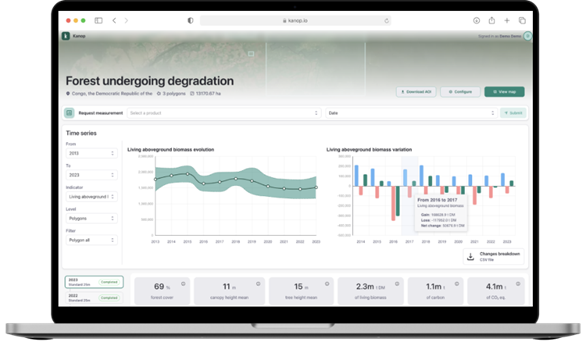
EcoNexa is building India-ready AI platforms that combine technology, regulation, and sustainability.
EcoNexa Solutions
- AI-based environmental monitoring systems
- Automated compliance and ESG dashboards
- Digital EPR and waste intelligence platforms
- AI-driven air, water, and ecosystem analytics
- Decision-support tools for industries, cities, and infrastructure
Our systems are scalable, regulation-aligned, and impact-focused.
8. Key Benefits of AI-Based Environmental Management
- Real-time environmental visibility
- Predictive risk reduction
- Lower operational and compliance costs
- Improved transparency and accountability
- Stronger ESG and sustainability performance
9. Conclusion

India’s environmental challenges are large—but so is the opportunity. AI transforms environmental management from paperwork-driven compliance into intelligent, predictive, and outcome-oriented governance.
EcoNexa is committed to leading this transformation—where data becomes intelligence, intelligence becomes action, and action delivers measurable environmental impact.