EPR credit hub · Updated November 2026
EPR credits at the lowest rate for producers. The best rate for recyclers.
EcoNexa buys and settles EPR certificates across plastic packaging, e-waste, batteries, used oil, tyres and more, and handles the CPCB portal compliance for both sides.
Certificates from CPCB-registered recyclersPortal filing supportDocumented settlement
One hub, both sides
Categories we handle
How it works
Simple for producers. Fair for recyclers.
EcoNexa runs a purchase and settlement hub for EPR certificates and handles the compliance paperwork on both sides of every transaction.
For producers, importers and brand owners
Meet your EPR targets on time
For registered recyclers and processors
Sell your certificates at the best rate
EPR in 2026
EPR regimes we cover, and where they stand
Key targets as of November 2026. Rules and targets change often, so talk to us to confirm the exact obligation for your products.
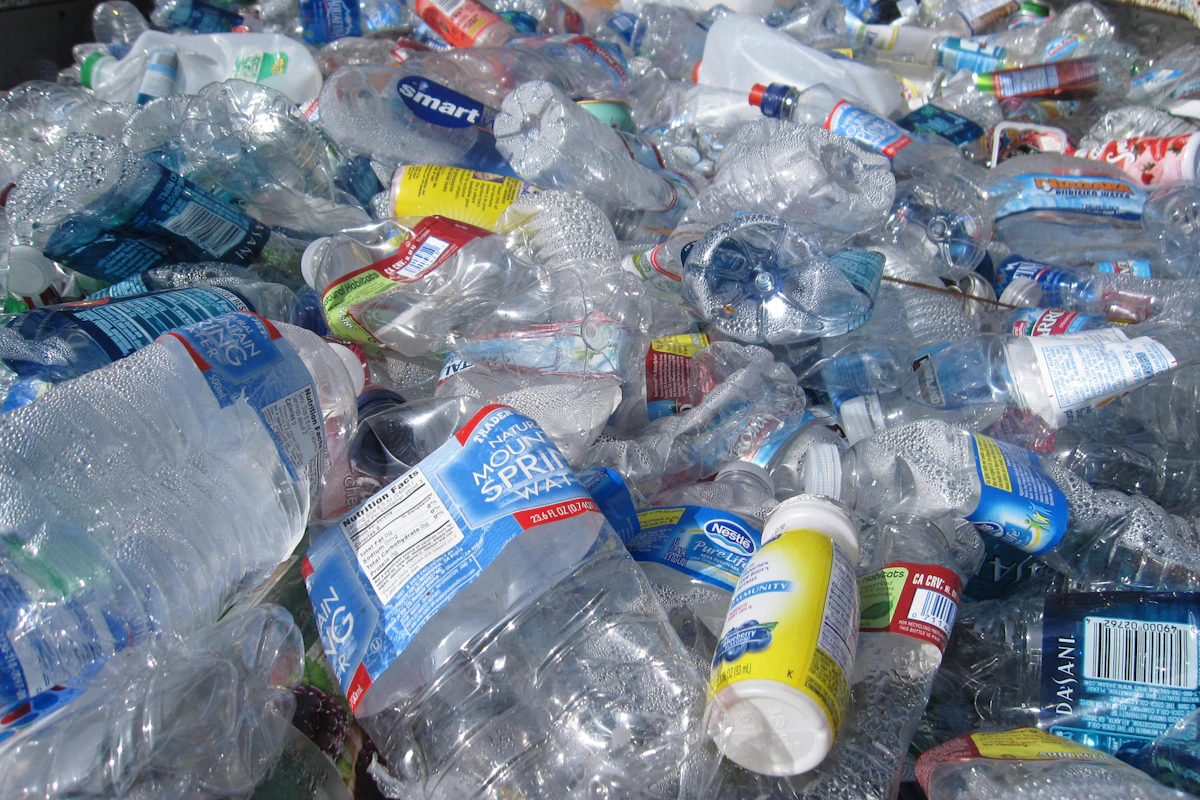
Plastic packaging
Recycled-content targets for 2026-27: 40% for rigid, 10% for flexible and 5% for multilayer packaging. Shortfalls from 2025-26 can be carried forward over three years, and rigid packaging also has reuse targets.
Learn more →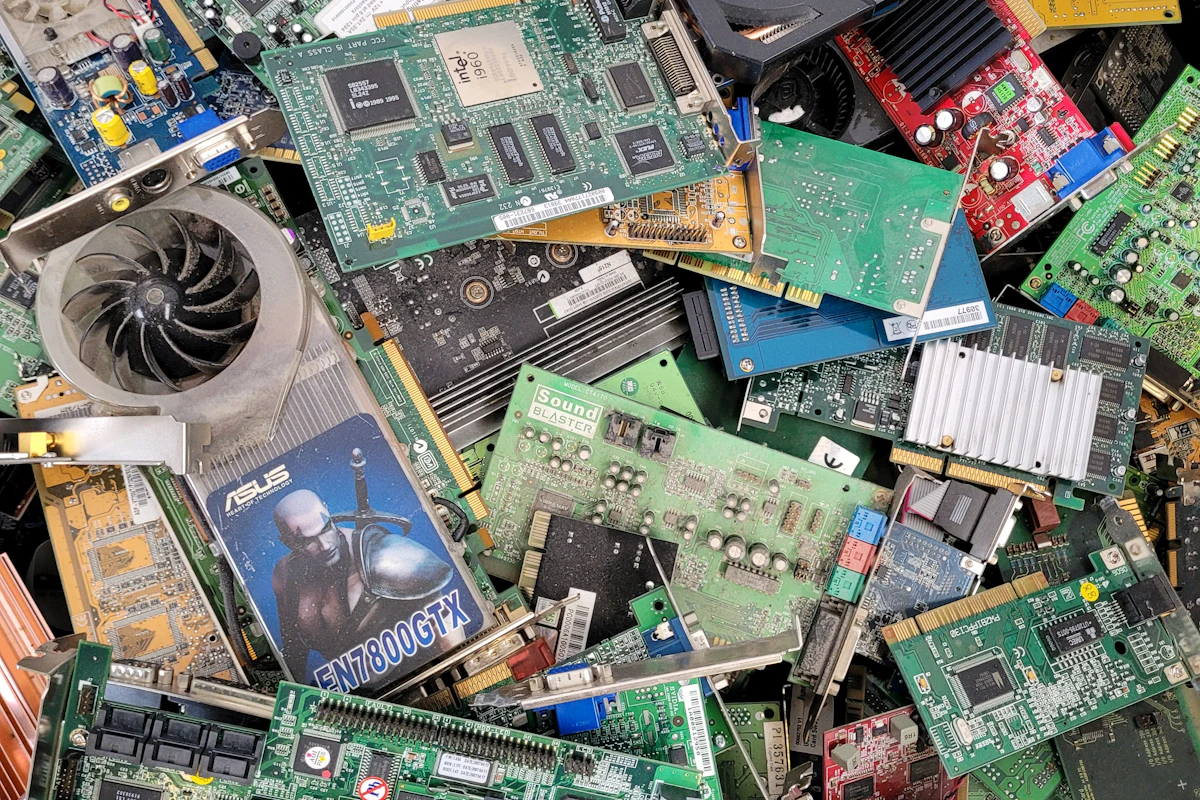
E-waste
Recycling target of 70% for 2025-26 and 2026-27, rising to 80% from 2027-28. Certificate prices follow a regulated price band.
Learn more →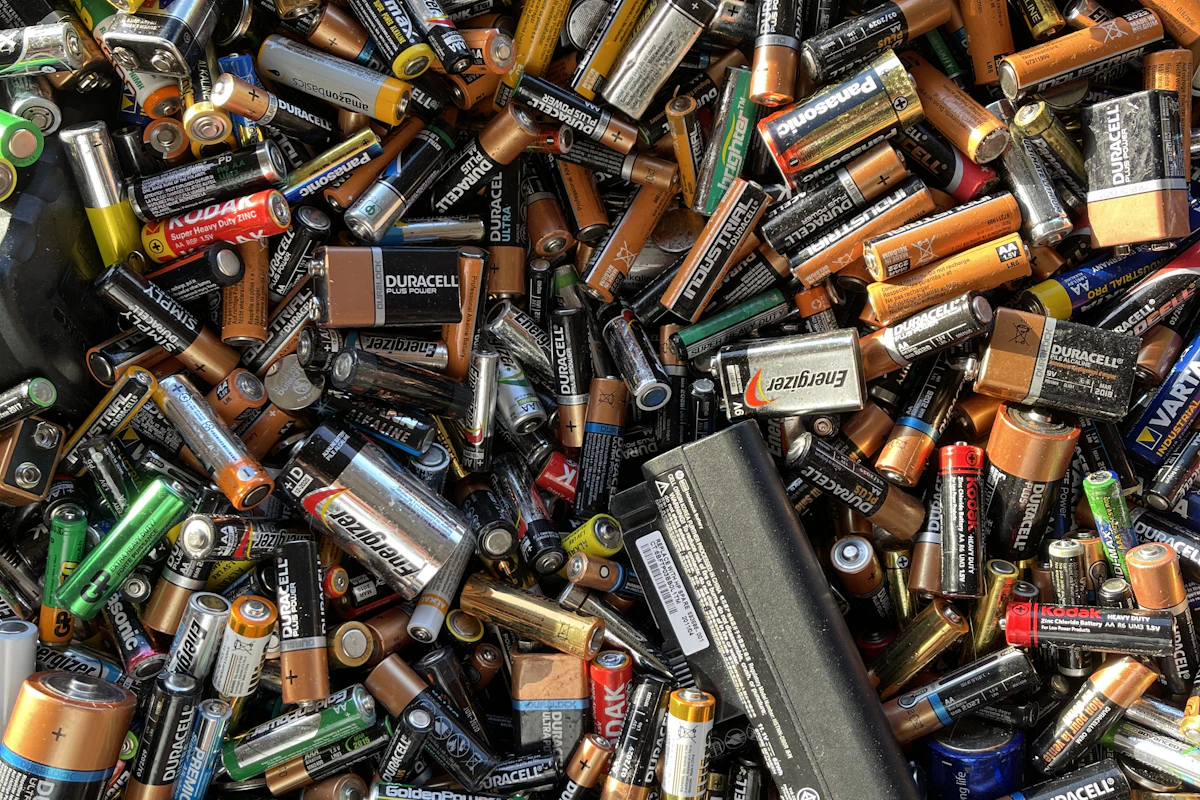
Batteries
Material recovery by recyclers of 80% in 2025-26, rising to 90% from 2026-27. Producers meet targets with certificates from registered recyclers and refurbishers.
Learn more →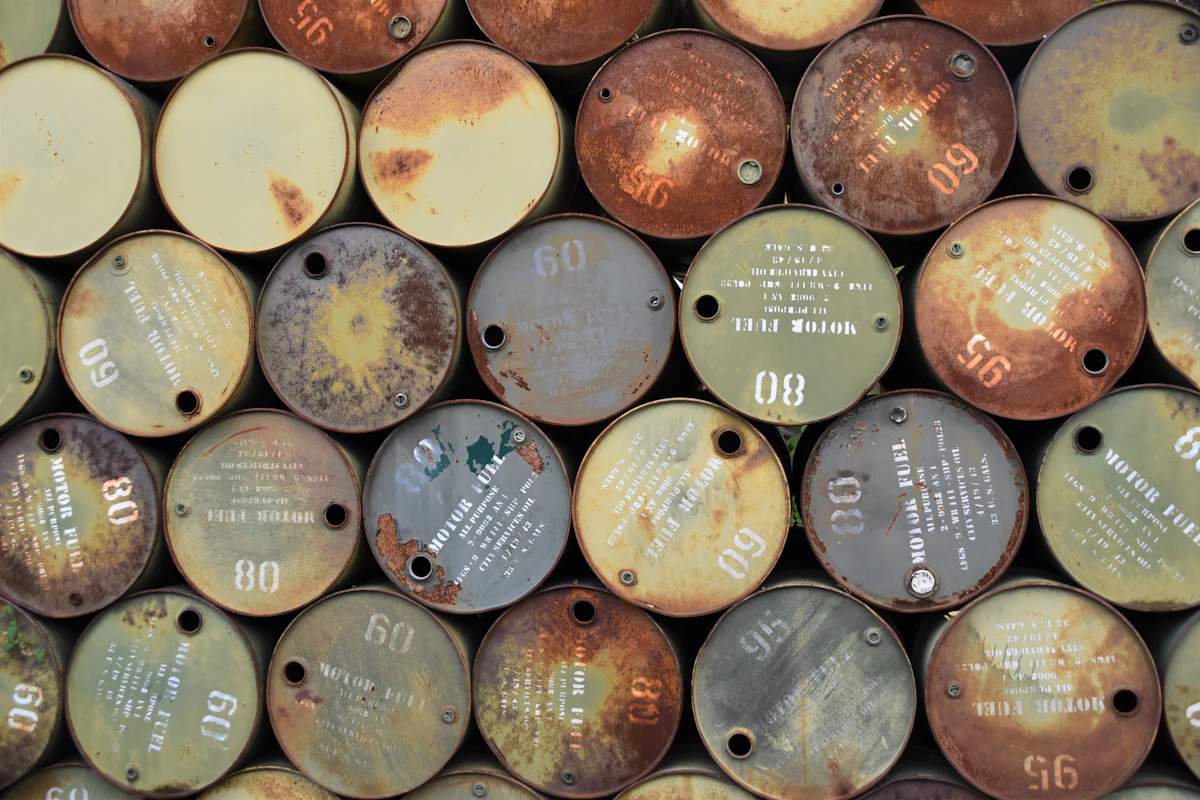
Used oil
Recycling targets of 10% in 2025-26 and 20% in 2026-27, rising to 40% from 2028-29, met through certificates from registered re-refiners.
Learn more →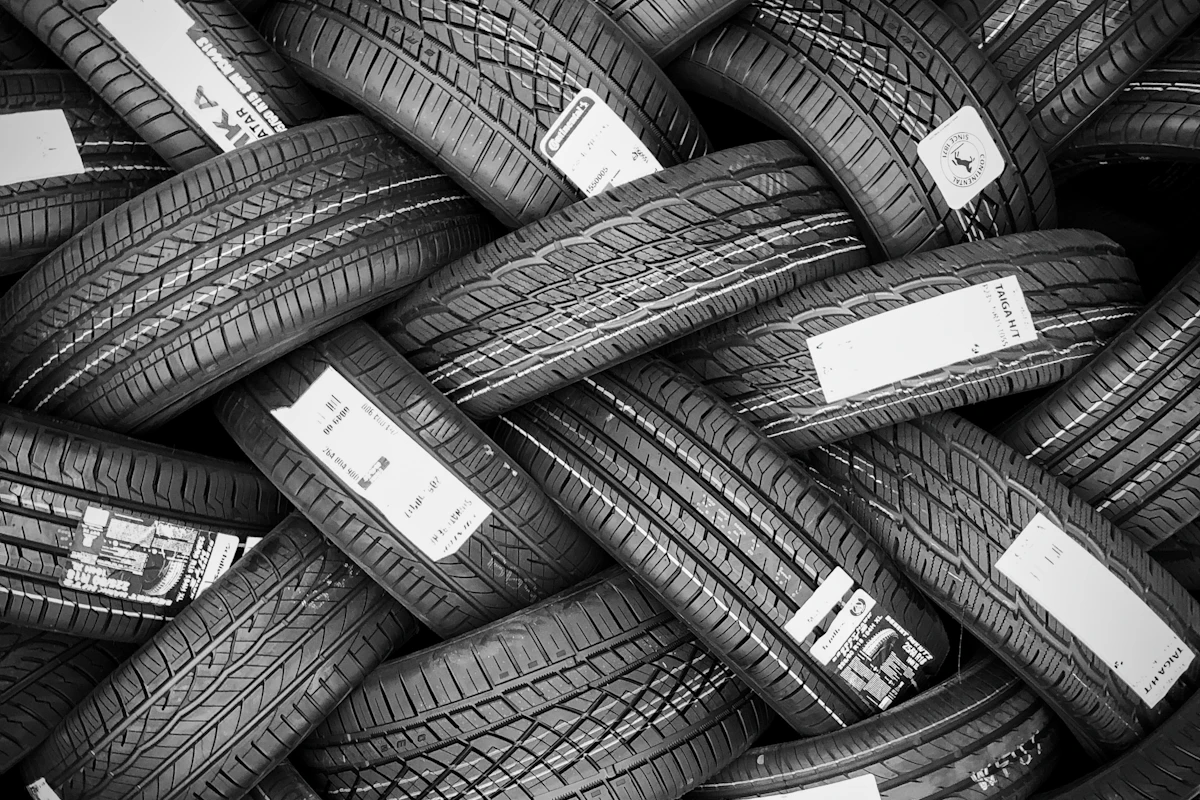
Waste tyres
Tyre producers and importers meet their obligations through certificates from registered waste tyre recyclers.
Learn more →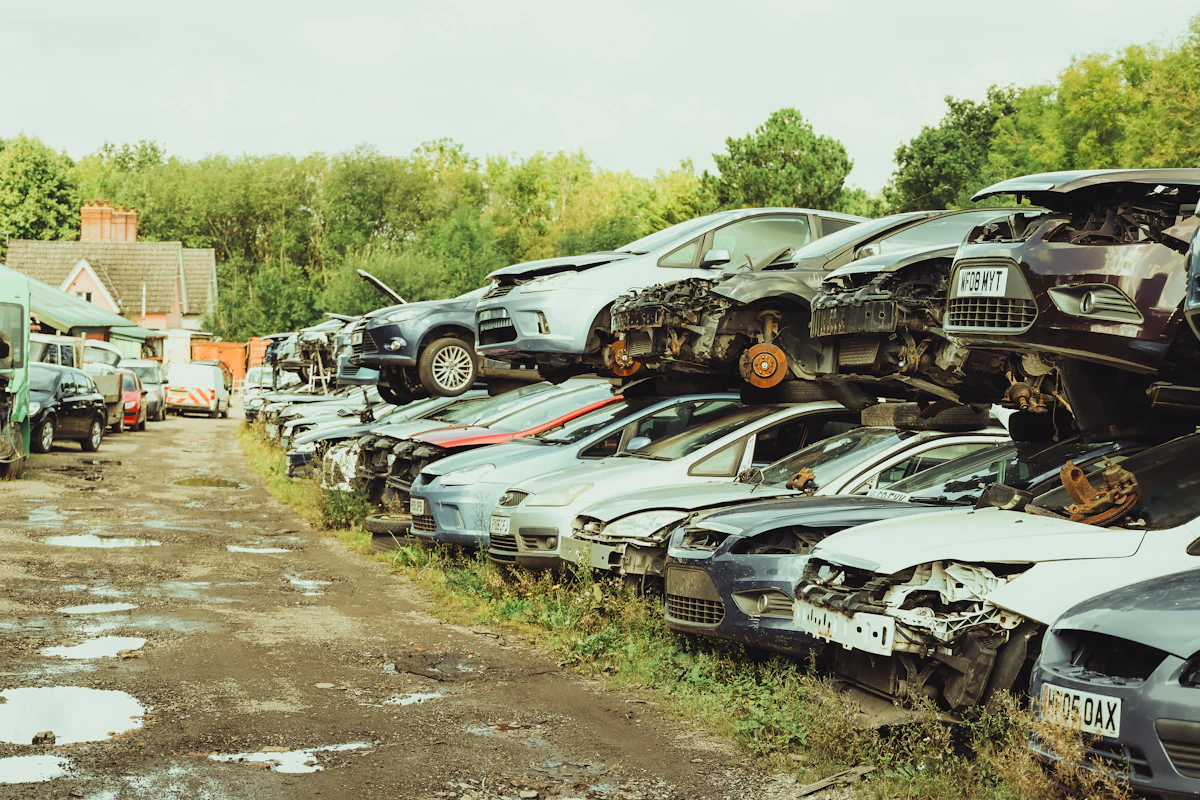
End-of-life vehicles
Steel scrapping target of 8% for 2025-26, rising to 13% from 2030 and 18% from 2035, met through certificates from registered vehicle scrapping facilities (RVSF).
Learn more →
Non-ferrous metals
EPR for aluminium, copper and zinc products: recycling targets from 10% in 2026-27 to 75% by 2032-33, plus recycled-content targets from 2028-29.
Learn more →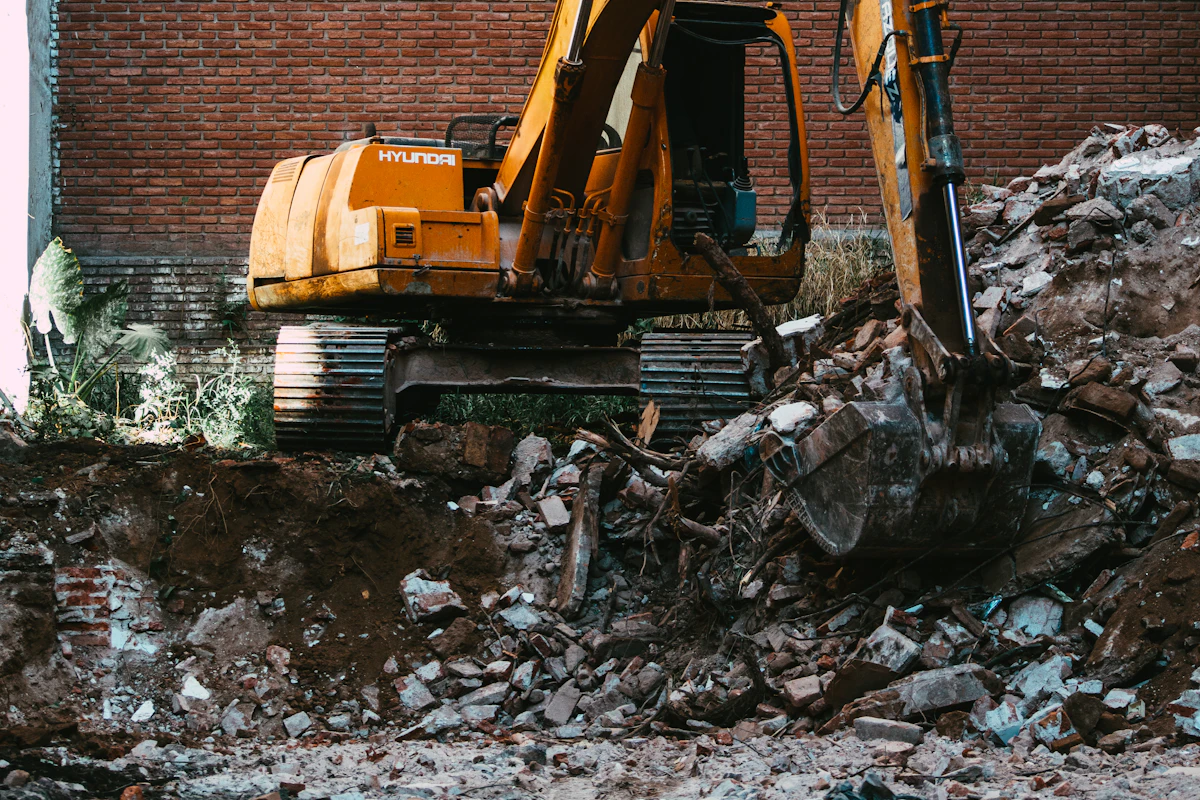
Construction & demolition waste
EPR for projects with 20,000 sq m or more of built-up area, including targets for using recycled C&D material.
Learn more →Solid waste (bulk generators)
Four-stream segregation at source and extended responsibility for bulk waste generators such as large campuses, societies and commercial premises.
Learn more →Why EcoNexa
Practical, transparent EPR support
Certificates you can trust
Certificates are generated on the CPCB EPR portal by registered recyclers and processors.
Competitive rates on both sides
Producers get the lowest available rate. Recyclers get the best available rate.
CPCB portal filing support
Registration, certificate transfer, annual returns and target tracking.
One point of contact
A dedicated contact from your first enquiry to final settlement.
Transparent settlement
Clear pricing and documented settlement for every transaction.
Quality-managed process
DPIIT-recognised startup, ISO 9001:2015 certified.
EPR questions, answered
What is an EPR certificate?
A digital certificate generated on the CPCB EPR portal by a registered recycler or processor for the waste it has processed. Producers, importers and brand owners buy these certificates to meet their annual EPR targets.
Who needs EPR registration?
Producers, importers and brand owners who place covered products or packaging on the Indian market, and recyclers or processors who want to generate certificates. Your category decides which portal and targets apply.
How is the certificate price decided?
It depends on the category, quantity, timeline and market availability, and some categories have a regulated price band. We quote the lowest available rate to producers and the best available rate to recyclers.
Do you handle the CPCB portal work?
Yes. We support registration, certificate transfer, annual returns and target tracking on the CPCB EPR portals.
What if we missed last year’s target?
For plastic packaging, the 2026 amendment lets 2025-26 recycled-content shortfalls be carried forward over three years, with at least one-third cleared each year. In other categories environmental compensation may apply, so talk to us early.
Need EPR certificates, or want to sell yours?
Leave your name and email and we'll call you for your category, quantity and timeline, then send a quote. Prefer to talk? Call +91 99096 19199 or WhatsApp us.